In modern construction, cracks, leaks, and structural damage are not just cosmetic problems. They can signal deeper issues that reduce safety, increase maintenance costs, and shorten a building’s life. The right construction chemicals help contractors stop these problems before they start, making structures stronger, more durable, and easier to maintain over time. Over the last 10+ years, I have seen how smart use of construction chemicals can turn weak, leak‑prone structures into long‑lasting, trouble‑free buildings.
What Are Construction Chemicals and Why Do They Matter
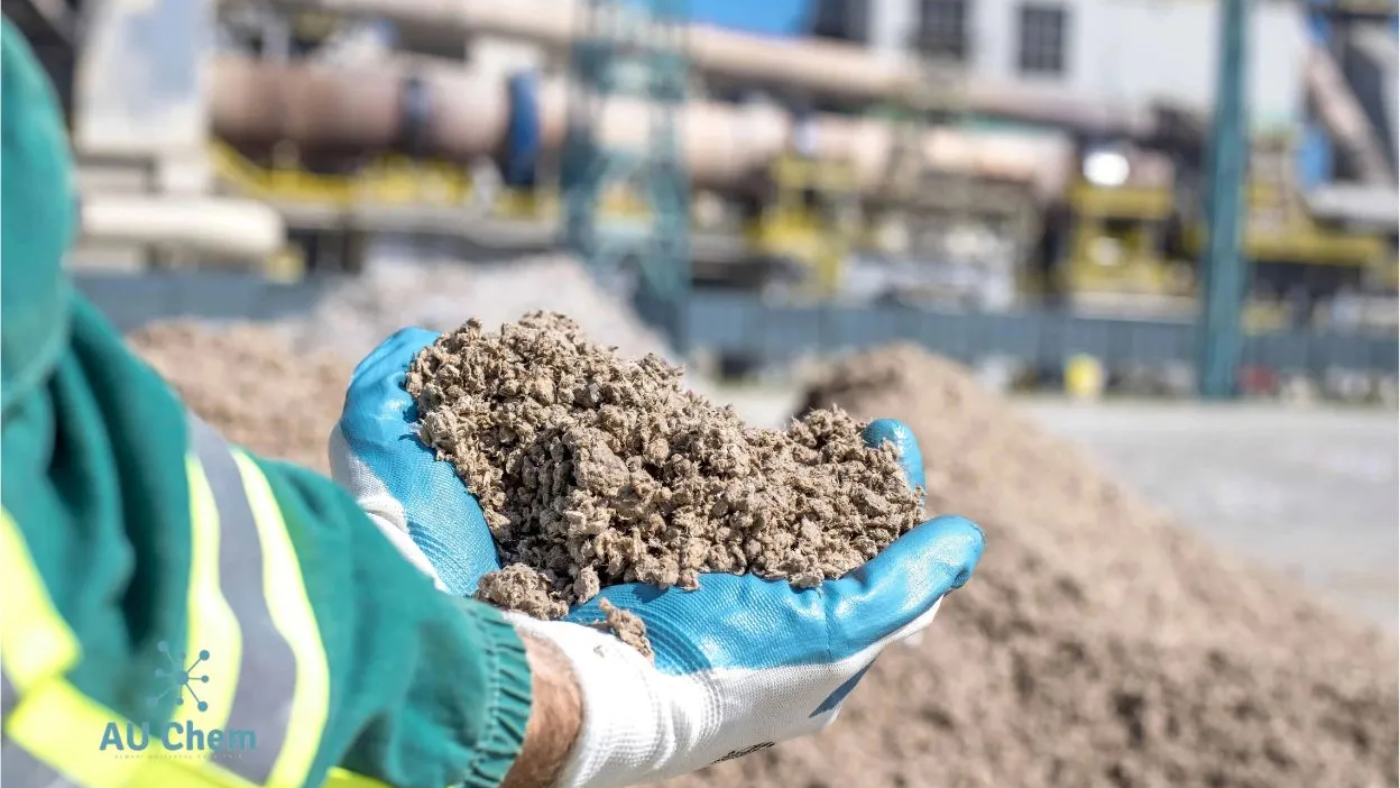
Construction chemicals are specially formulated products used to improve the performance, durability, and safety of building materials like concrete, masonry, and coatings. They include waterproofing chemicals, concrete admixtures, curing compounds, repair mortars, sealants, bonding agents, and many others. These products are not luxury add‑ons; they are essential tools for dealing with real‑world problems on site.
In the UAE, Gulf, and wider Middle East, where heat, humidity, salty air, and heavy rainfall affect buildings, ordinary materials alone are not enough. That is where construction chemicals come in. They protect concrete from corrosion, stop water from seeping into basements, and help repair cracks before they turn into bigger damage. Good construction chemicals are a long‑term investment in the structure’s health and safety.
How Construction Chemicals Prevent Cracks
Cracks in concrete and masonry usually come from shrinkage, temperature changes, poor mixing, or structural stress. If left untreated, small hairline cracks can grow, let in water and salts, and weaken the entire structure. Construction chemicals play a key role in reducing and controlling cracks in several ways:
- Plastic shrinkage and drying cracks are reduced by using water‑reducing admixtures and shrinkage‑reducing agents. These help concrete harden more evenly, so it does not pull apart as it dries.
- Chemical crack‑inhibiting admixtures and microfibers improve tensile strength and reduce cracking in high‑stress zones like slabs, beams, and columns.
- Repair mortars and epoxy‑based crack‑filling products are used to fix existing cracks, restoring structural continuity and stopping them from spreading.
By using the right mix of chemicals at the right time, contractors can strongly reduce cracking and improve the long‑term performance of the structure.
How Construction Chemicals Help Stop Leaks
Water leakage is one of the most common and costly problems in construction, especially in basements, roofs, balconies, and wet areas like restrooms. Rainwater, humidity, and condensation can push through weak joints, porous concrete, or poorly sealed surfaces, causing dampness, mold, and damage to finishes and interiors.
Construction chemicals offer several practical ways to stop leaks:
- Waterproofing membranes and coatings form a barrier that keeps water out of concrete and masonry, even under pressure, during heavy rains.
- Penetrating and crystalline waterproofing chemicals react with concrete components to block capillary pores from inside, making the structure itself water‑tight.
- Sealants and joint fillers prevent leaks around windows, expansion joints, and other weak points that are prone to movement and water entry.
When applied correctly, these chemical solutions keep moisture outside the building, improve indoor comfort, and reduce the need for expensive repairs later.
How Construction Chemicals Reduce Structural Damage
Beyond cracks and leaks, construction chemicals are also key tools for reducing long‑term structural damage caused by corrosion, chemical attack, abrasion, and weathering. In harsh climates like those in the UAE, Gulf, and Middle East, concrete and steel are under constant stress from heat, moisture, and salt.
Here is how they help:
- Corrosion‑inhibiting chemicals slow down the rusting of steel reinforcement, especially in exposed areas such as bridges, coastal structures, and car parks.
- Protective coatings and overlays shield concrete from impact, abrasion, and chemical spills, keeping surfaces intact longer.
- Repair and strengthening products like polymer‑modified mortars and epoxy grouts restore lost strength after damage or deterioration, instead of forcing a full replacement.
By using the right construction chemicals, project teams can protect structures, extend their service life, and avoid the need for major overhauls too early in the building’s life.
The Role of Chemical Solutions in Preventive Maintenance
A smart contractor does not wait for problems to appear; they plan for them in advance. Today, many builders use chemical solutions as part of a preventive maintenance strategy. This means adding protective chemicals during construction so that:
- Concrete is denser and less porous from the start.
- Critical areas like joints, pipes, and expansion joints are sealed early.
- Sensitive areas like basements, foundations, and roofs are treated with waterproofing and protective coatings before finishes are applied.
Waiting until after a leak or crack appears often means more time, more disruption, and higher costs. Using the right chemical solutions at the right time can save time, money, and stress over the life of the project.
How to Choose the Right Construction Chemicals for Your Project
Not every construction chemical works the same way, even if the labels look similar. Choosing the right products involves:
- Understanding the local conditions (heat, humidity, salt, groundwater, etc.) and matching them with chemicals designed for that environment.
- Checking product data sheets, certifications, and approvals from local authorities and international bodies.
- Consulting technical teams or suppliers who can recommend suitable products for different elements like slabs, foundations, waterproofing, and repairs.
It is also important to think about compatibility. Some chemicals may not work well with certain types of concrete, aggregates, or coatings, so expert advice is always useful.
AU Chem: Your Trusted Partner for Construction Chemicals
In the UAE, GCC, and wider Middle East, having a reliable chemical supplier makes a big difference on site. AU Chem is one of the names that contractors and construction companies look at when they need dependable construction chemicals and related products. They specialise in industrial chemicals, petrochemicals, and speciality chemical solutions for a range of applications, including those used in the building and construction sector.
AU Chem supports projects across the region with products that help with waterproofing, concrete performance, and protection against harsh weather. Their focus is on reliable sourcing, on‑time delivery, and practical support for contractors who need more than just products. With experience serving the UAE and wider GCC markets, they are a partner many builders turn to for long‑term stability and consistency of supply.
Frequently Asked Questions (FAQ)
Q1: What exactly are construction chemicals?
Construction chemicals are special products such as waterproofing coatings, concrete admixtures, curing compounds, sealants, repair mortars, and bonding agents. They are used to improve the strength, durability, and waterproofing performance of building materials like concrete and masonry.
Q2: Do small projects really need construction chemicals?
Yes. Even small projects like villas, shops, or residential blocks benefit from construction chemicals. They help prevent leaks, reduce cracking, and extend the life of the structure, so the cost is usually worth it in the long run.
Q3: Can construction chemicals replace good design or workmanship?
No. Construction chemicals support good design and proper workmanship; they cannot replace it. Good basics—right mix, proper curing, and proper detailing—are still essential. Chemicals make those basics work better and last longer.
Q4: How do I know which chemicals are right for my site?
Start by checking the local climate, water exposure, and structural requirements. Then compare product data sheets and ask for technical advice from a trusted supplier. It helps to pick products that are already proven in similar projects in your region.
Q5: Are chemical solutions safe for workers and the environment?
Most modern construction chemical products are designed to be safe when used correctly. Always follow the safety instructions, use proper tools and PPE, and store them properly. Many suppliers now offer low‑VOC or eco‑friendly options that reduce environmental impact.
Q6: What is the role of a supplier like AU Chem in this process?
A strong supplier like AU Chem helps by offering suitable product ranges, technical guidance, and reliable delivery. They can recommend chemical solutions based on project size, location, and budget, and they can also assist with application support and troubleshooting.
Conclusion
Cracks, leaks, and structural damage are not just surface problems; they can hit a building’s strength, safety, and long‑term value hard. Construction chemicals are practical tools that help contractors prevent these issues at the source, making concrete stronger, joints water‑tight, and surfaces more resistant to harsh weather and daily wear. When used correctly, the right chemical solutions improve durability, reduce maintenance, and give owners peace of mind that their building is built to last.
Ready to protect your structure from cracks and leaks? Contact AU Chem today at +971 521 677 458 for the right construction chemicals and solutions.
Add a Comment